Natural Disasters by State: 73 Years of FEMA Declarations, Ranked and Explained
Every federal disaster declaration since 1953, sorted by state and by type, so you can build a kit for the disasters that actually come to your part of the country.
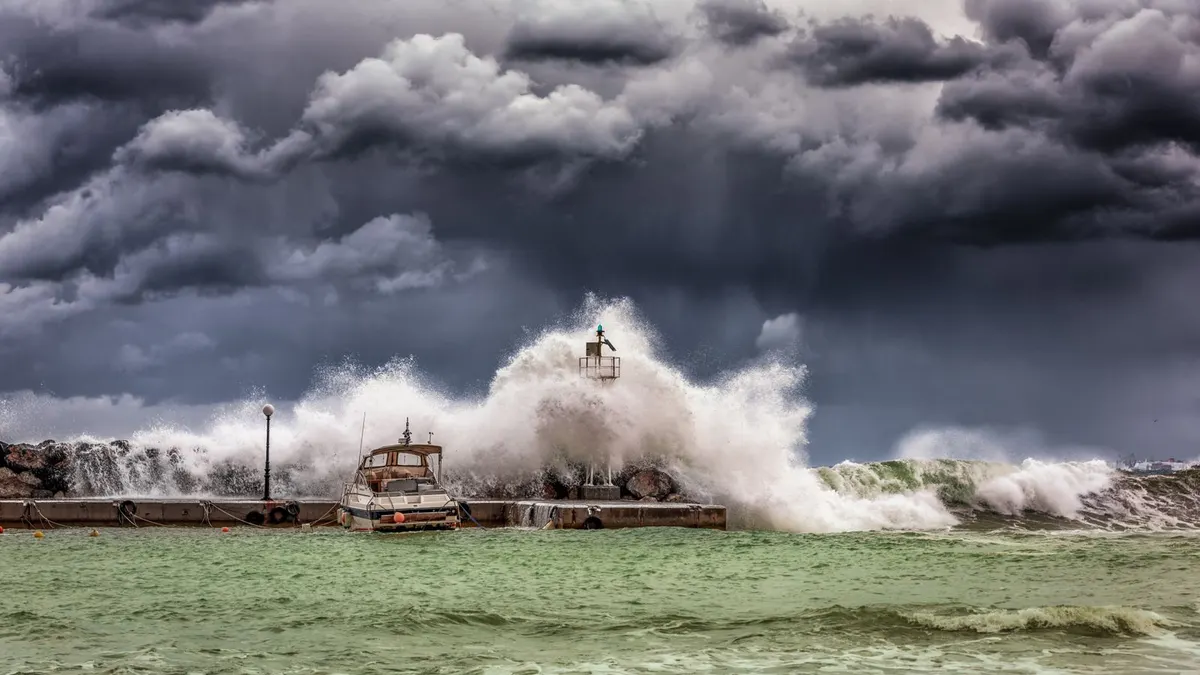
The question that matters in emergency prep is what has actually happened where you live. FEMA has kept a public record of every federal disaster declaration since 1953, county by county, and it answers that question for every state. I pulled the whole file at the end of October 2026, sorted it by state and by type of disaster, and wrote a page for each state that says what hits it, which counties take the most of it, which months it comes in, and what gear each hazard calls for. This page is the index to that series on natural disasters by state, with the headline numbers for every state finished so far.
Twenty-two states are done, and between them they hold just under three thousand declarations, about half of them major disasters and a big share of the rest single wildfires. The other 28 states are on the way, and I'll add each one to the table as its page goes live.
Three kinds of declaration, and why the raw count misleads
FEMA records three things under the same heading, and you have to separate them before the numbers mean anything.
- Major disaster declarations (DR) are the ones people mean when they say "FEMA declared a disaster." A governor requests it, the President signs it, and federal money repays counties and towns for repairs (Public Assistance) and sometimes pays households directly (Individual Assistance). This is the count used to rank the states below.
- Emergency declarations (EM) are smaller and faster. They often go out while a hurricane is still offshore, so the same storm can show up twice, once as an emergency and once as a major disaster a few days later. Two emergencies hit every state at once and have nothing to do with weather: the 2005 Katrina evacuation (states were reimbursed for sheltering people from the Gulf) and COVID in 2020. I set those aside when talking about weather.
- Fire management declarations (FM) repay a state for fighting one wildfire that threatens homes. One fire, one declaration. FEMA only began issuing them in volume from the mid 1990s on, a few years earlier or later depending on the state, so a state like California or Texas with more than 260 of them looks far more disaster-prone in the raw count than it is, and a state's 1990s look worse than its 1970s for reasons that have nothing to do with weather.
One more thing: a declaration can name one county or every county in the state. Hurricane Rita in 2005 covered all 254 Texas counties; a tornado declaration may cover one. So I also pulled the county lists, and each state page has a table of the counties that have been named the most times.
The 22 states so far, ranked by major disasters
Counts run from the first record in 1953 through the latest declaration on file as of October 31, 2026. "Most common" is the leading type among major disasters only.
| State | Major disasters | All declarations | Most common major disaster | Runner-up |
|---|---|---|---|---|
| California | 116 | 398 | Flooding (39) | Wildfire (27) |
| Texas | 108 | 392 | Flooding (44) | Severe storms (20) |
| Oklahoma | 99 | 259 | Severe storms (49) | Flooding (22) |
| Florida | 87 | 190 | Hurricanes (39) | Severe storms (22) |
| New York | 85 | 118 | Severe storms (28) | Flooding (26) |
| Kentucky | 82 | 99 | Severe storms (39) | Flooding (27) |
| Louisiana | 78 | 111 | Flooding (25) | Hurricanes (25) |
| Tennessee | 78 | 97 | Severe storms (44) | Flooding (18) |
| Missouri | 77 | 88 | Severe storms (46) | Flooding (21) |
| Alabama | 75 | 103 | Severe storms (44) | Hurricanes (16) |
| Washington | 68 | 223 | Flooding (32) | Severe storms (20) |
| Minnesota | 63 | 81 | Flooding (30) | Severe storms (25) |
| Virginia | 58 | 77 | Severe storms (20) | Flooding (16) |
| North Carolina | 57 | 85 | Hurricanes (23) | Severe storms (11) |
| Ohio | 53 | 61 | Severe storms (23) | Flooding (18) |
| Georgia | 51 | 82 | Severe storms (17) | Tornadoes (11) |
| Arizona | 37 | 120 | Flooding (17) | Severe storms (14) |
| Idaho | 35 | 61 | Flooding (18) | Severe storms (9) |
| Michigan | 35 | 46 | Flooding (14) | Severe storms (10) |
| South Carolina | 29 | 51 | Hurricanes (13) | Flooding (4) |
| Colorado | 26 | 112 | Flooding (13) | Wildfire (7) |
| Utah | 17 | 62 | Flooding (11) | Severe storms (3) |
What the whole table says
Flooding is the common thread. It leads the major-disaster count in nine of these states, ties for the lead in Louisiana, and comes second in eight more. It does not matter whether the state is wet or dry: Arizona, Utah and Idaho all have flooding at the top of their lists, because desert and mountain ground does not soak up a hard rain. If you only prepare for one thing, prepare to be cut off by water for a few days, and prepare to leave early when the forecast turns.
"Severe storms" is FEMA's label for the wind, hail and straight-line wind events that take out power across the middle of the country. Oklahoma, Missouri, Tennessee, Alabama and Kentucky all lead with it. In practice it means a day or three without power, sometimes a week, a few times a year. The power outage kit is the answer in all five.
Hurricanes lead in only three states (Florida, North Carolina, South Carolina) and tie for the lead in Louisiana, but they produce the widest declarations in the file. One hurricane routinely covers 50 to 100 counties and can reach several states inland, which is why Helene in 2024 shows up in the Florida, Georgia, South Carolina, North Carolina, Tennessee, Virginia and Kentucky records.
Wildfire is a West and Plains problem in the count, and a different kind of problem for the kit. California, Washington, Arizona, Colorado, Utah and Oklahoma carry most of the 1,180 fire management declarations. A fire does not knock out the grid for a week the way a hurricane does. It gives you an hour to leave. The go bag matters more than the water barrel there.
Winter weather is rare in the count and brutal when it lands. The February 2021 freeze reached every county in Texas. The January 2026 winter storm drew declarations in seven Southern states and covered nearly every county in North Carolina, Tennessee, Virginia and Kentucky. These are the events that catch people with no indoor heat and no stored water.
How to use the state pages
Each page has the same bones: the counts by type, the counties named the most, a month-by-month calendar, and a build order for the kit that points to the guides on this site. The guides are shared across states because the gear is. A weather radio is the same purchase in Oklahoma and in Florida; the difference is what alert it will wake you for. The pages tell you which.
- Find your state in the table and read the first two sections. That tells you the one or two hazards that account for most of its record.
- Check the county table. If your county is on it, your area has a long history, and the odds of a declaration in any given decade are high.
- Look at the calendar and set a date to have the kit done, a month before your state's worst month.
- Build the base kit first (water, food, light, radio, phone power, documents, cash), then add the layer your state's hazard calls for. Every state page links the weather radio guide and the power outage kit; most also point to the water storage guide and the go bag guide.
Questions people ask about disasters by state
Which state has the most natural disasters?
California and Texas, and it isn't close. Both have nearly 400 declarations on file, though most of those are single wildfires. Count major disasters only, which is the better measure, and California still edges Texas, with Oklahoma, Florida and New York next. The table above has the exact figures, through October 2026, for the states pulled so far.
Which state has the fewest?
Of the states on this page, Utah has the fewest major disasters and Michigan the fewest declarations of any kind. Some of the remaining states will probably come in lower once their pages are done.
What is the most common natural disaster in the United States?
Flooding, by this measure. It leads the major-disaster count in nine of these states, ties for the lead in Louisiana, and places second in eight of the others. FEMA's "severe storm" category is close behind and leads in most of the states between the Appalachians and the Rockies.
Does a FEMA declaration in my state mean I can get help?
Not by itself. Most declarations turn on Public Assistance, which pays local governments. Individual Assistance for households is added county by county for some events. Each declaration on FEMA's site lists which counties qualify and for what.
How current is this data?
I pulled FEMA's declaration file on October 31, 2026. The latest records in it are from that month. FEMA updates the file as new declarations are signed, and I'll refresh the pages when the counts change.
Why is my state not here yet?
I'm writing the pages one at a time, by hand, from each state's own record, and I started with the states with the longest records. The rest are coming.
Where to start
Pick your state from the table above, or start with the two I know best: North Carolina, where this site is written, and Texas, which has a little of everything. Then build the base kit from the storm prep guides.
Sources
Ready to buy?
See current models and availability on Amazon. Your clicks keep these guides free.
Shop Emergency Kits on Amazon →