Natural Disasters in South Carolina: A Short Record Until 2015, Then a Declaration Nearly Every Year
More than half of the state's federal disaster declarations have come since 2015. Here is what they were, where they landed, and what to keep on the shelf from Myrtle Beach to the mountains.
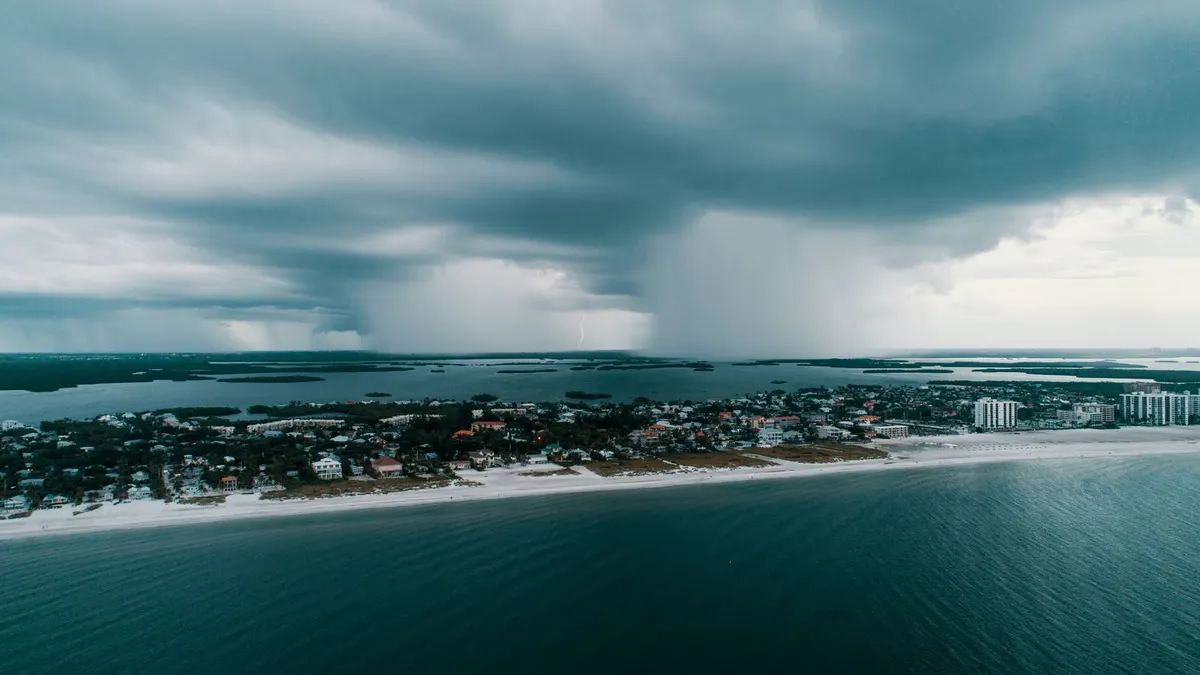
South Carolina has one of the shortest disaster files in this series, 51 FEMA declarations since 1954, and one of the fastest growing. More than half of them came in the eleven years since 2015, and a third in this decade alone. Before 2015 the state could go years between declarations. Since then it's averaged more than two a year: the October 2015 floods, Matthew, Irma, Florence, Dorian, Ian, Idalia, Debby, Helene, a winter storm and four wildfires. Whatever caused that shift, the practical reading of natural disasters in South Carolina is simple. Plan on a federally declared event somewhere in the state every year, and on your own county being in it every two or three.
A note on what's being counted. A major disaster declaration is the full federal response and the only kind that can turn on Individual Assistance for households; South Carolina has 29. An emergency declaration is quicker and smaller and usually comes before landfall, signed while a hurricane is still off Florida, which is how most of the state's statewide entries got there. A fire management declaration pays the state back for fighting a single wildfire. One declaration can name one county or all 46, so the county counts further down matter more than the raw total, and the Katrina evacuation emergency of 2005 and the COVID declarations of 2020 are statewide but not weather, so I've left them out of the hazard sections.
The shape of the record is a coast that gets hurricanes in September, a Midlands and Upstate that get ice in January and February, and a whole state that can flood when a tropical system stalls, which is what happened in October 2015 and again with Helene in 2024. The kit is the seven day hurricane kit I wrote for North Carolina (same storms, same list) plus a winter layer that most people below Columbia don't think they need. This page is part of the natural disasters by state series, and the numbers come from FEMA's own declaration file.
South Carolina disasters by type, 1954 to 2026
| Disaster type | Major declarations | When it usually hits | Example from the record |
|---|---|---|---|
| Hurricanes | 13 major, plus 8 emergencies | August through October, September worst | Hurricane Hugo, September 1989, 24 counties |
| Tropical storms | 1 major, plus 2 emergencies | August and September | Tropical Storm Debby, August 2024, 14 counties |
| Flooding | 4 | October after a stalled storm, and winter rain | October 2015 floods, 36 counties |
| Ice and winter storms | 5 major, plus 2 emergencies | December through February | February 2014 ice storm, 46 counties on the emergency |
| Severe storms and tornadoes | 5 | Late winter and spring | April 2020 tornadoes, 10 counties |
| Wildfire | 7 fire management | March, and a few in November | Table Rock fire complex, March 2025, Greenville and Pickens |
The January 2000 winter storm is filed under severe storm, so the real winter count is one higher than the ice line shows, and the 1996 declaration for Hurricane Fran is filed as a flood.
A South Carolina disaster calendar
The calendar comes first on this page because the year has such a clear shape: ice in winter, fire in early spring, nothing much in early summer, then hurricanes from August into October.
- December through February: ice season. Eleven declarations began in these months, nearly all of them winter storms. Blankets, safe heat, the car kit, water stored if you're on a well.
- March and April: fire season in Horry and the mountains, and the first tornado and severe storm declarations (March 1984, April 2020). Go bag packed, weather radio on.
- May, June and July: the quietest stretch in the record, one declaration in 73 years. Build the hurricane kit now.
- August: the hurricane declarations start; most of August's entries are tropical. Fuel in the car, water stored, documents in the dry bag.
- September: the worst month in the file, and nearly all of it is hurricanes: Hugo, Floyd, Frances, Irma, Florence, Ian and Helene among them.
- October and November: the 2015 flood, Matthew, the two November fires and the first ice. Keep the kit stocked through Thanksgiving.
Hurricanes: September, the coast, and the ones that reached the whole state
Twenty-one hurricane declarations counting emergencies, and every one of them began in August, September or October, with September taking more than half. Nothing in July, nothing in November. South Carolina's hurricane season is narrower than Florida's and the peak is sharper; the National Hurricane Center's climatological peak of September 10 is exactly where the state's record piles up.
Hugo in September 1989 is the storm the coast still measures by. Floyd in 1999 and Frances in 2004 reached further inland. Then came the modern run, which is most of the reason the file has grown so fast:
| Storm | Emergency declaration | Major declaration |
|---|---|---|
| Hugo, September 1989 | 24 counties | |
| Floyd, September 1999 | 27 counties | 27 counties |
| Frances, September 2004 | 28 counties, household assistance | |
| Matthew, October 2016 | Statewide | 26 counties, household assistance |
| Irma, September 2017 | Statewide | Statewide |
| Florence, September 2018 | Statewide | 19 counties, household assistance |
| Dorian, September 2019 | Statewide, while it sat offshore | 12 counties |
| Ian, September 2022 | Statewide | Statewide, household assistance |
| Idalia, August 2023 | Statewide | |
| Debby, August 2024 | Statewide | 14 counties (tropical storm) |
| Helene, September 2024 | Statewide | 34 counties, household assistance |
Helene is the one that moved the risk inland. The damage on its major declaration was in the Upstate, not on the beach: Greenville, Spartanburg, Anderson and the counties along the Georgia line lost power from wind and fallen trees a long way from the coast. People in the Upstate had hurricane kits about as often as people in Columbia had ice storm kits, which is to say rarely. The lesson for the whole state is that the hurricane kit isn't a coastal item. The pieces that mattered most in the Upstate were a weather radio, a way to charge phones (a solar power bank does it without fuel), a chainsaw, and stored water for the wells that quit when the pumps lost power.
The October 2015 flood
The widest declaration in the state's file that wasn't a pre-landfall hurricane emergency is the October 2015 flood: a statewide emergency, then a 36-county major declaration two days later with household assistance. Days of rain fell on the Midlands and the coast and the rivers came up under neighborhoods that had never flooded. No other flood major declaration in the state's record has reached even half that many counties, and it's why every South Carolina kit needs a flood plan, even in a neighborhood that has never seen water. A weather radio with the alert tone on overnight, documents in a dry bag, and a get home bag in the vehicle cover most of it.
Ice storms: the Midlands, the Pee Dee and the Upstate
Eight winter declarations covering six storms, and they reach well into the middle of the state. The big ones were the January 2000 winter storm, the January 2004 ice storm, the February 2014 ice storm (statewide on the emergency, 22 counties on the major declaration), and the January 2026 winter storm, which put every area in the state under an emergency declaration in one day. The December 2002 and December 2005 ice storms were smaller. They land in December, January and February, and the damage is nearly always the same: ice on the lines, trees on the lines, and a cold house for three to seven days.
The winter layer for South Carolina is small. Emergency blankets and a sleeping bag per person, a safe indoor heat source and the carbon monoxide alarm that goes with it, and a winter car kit, because an ice storm turns every shaded hill into a skating rink for days. Fill the tubs before it starts if you're on a well.
Fires: Horry County and the mountains
Seven fire management declarations, and four of them are in Horry County, around Myrtle Beach and Conway: the Long Bay fire in 2001, the Legends fire in 2002, the Highway 31 fire in 2009 and the Covington Drive fire in 2025. The other three are in the Blue Ridge: the Pinnacle Mountain fire in November 2016 and the Table Rock fire and fire complex in March 2025, in Pickens and Greenville counties. Most of them started in March, in the dry windy weeks before green-up, and the rest in November when the leaves are down. If you live in the pine and bay country of Horry or on the mountain edge above Pickens, a packed go bag in March and April is cheap insurance; the bug out bag checklist has the contents.
Counties that show up again and again
I counted the number of separate declarations each county appears in since 1954. The top of the list is the coast and the Pee Dee, with the Midlands close behind.
| County | Declarations | What drives it |
|---|---|---|
| Horry (Myrtle Beach) | 34 | Hurricanes plus four of the state's seven wildfires |
| Orangeburg | 31 | Hurricanes, the 2015 flood, ice storms |
| Williamsburg, Georgetown, Calhoun, Berkeley | 30 each | Coastal and Pee Dee hurricanes, river flooding |
| Dillon | 29 | Hurricanes and the Pee Dee ice storms |
| Sumter, Marion, Kershaw, Florence, Colleton | 28 each | Hurricanes, flooding and ice |
Greenville and Pickens are lower on the list in total but carry the three mountain fires (Pickens is named on all three, Greenville on two) and much of the Helene damage, so the Upstate's risk is newer than its count suggests.
What to buy first
- The seven day base. Water, shelf-stable food, a weather radio, headlamps and a lantern, phone power, cash, documents, pet supplies. The power outage kit checklist is the full list and it covers every outage on this page, hurricane or ice.
- Portable, if you're in a coastal evacuation zone. Horry, Georgetown, Charleston, Beaufort and the barrier islands leave when told. Totes plus water, and a full tank before the watch becomes a warning.
- The flood plan, everywhere. Alert radio overnight during tropical rain, a dry bag, and a rule for when you leave.
- The winter layer, Columbia and north. Blankets, safe heat, CO alarm, car kit. It gets used every few years and costs little.
- The fire layer in Horry and the mountains. Go bag by March, masks, animal plan.
- Communications. A big storm here takes the towers down with the lines. A pair of GMRS radios keeps a household talking, and a Meshtastic node keeps a neighborhood passing text with no tower.
Questions people ask about South Carolina disasters
What is the most common natural disaster in South Carolina?
Hurricanes. Thirteen of the state's 29 major disaster declarations are hurricanes, and the total is 21 when pre-landfall emergency declarations are counted. Ice storms are second among major declarations with five, and wildfire is second by raw count with seven fire management declarations.
When do hurricanes hit South Carolina?
August, September and October, and only those months. More than half of the state's hurricane declarations began in September, most of the rest in August, and a few in October. None began in June, July or November.
What was the worst disaster in South Carolina by FEMA's measure?
By counties covered on a major declaration, Hurricane Irma (2017) and Hurricane Ian (2022) both covered the whole state. By damage to households in one event, the October 2015 flood and Hurricane Helene in 2024 stand out, each with household assistance across more than 30 counties. Hugo in 1989 covered 24 counties.
Does the Upstate need a hurricane kit?
Yes, since Helene. Its September 2024 major declaration covered 34 counties, and the heaviest damage was in Greenville, Spartanburg and the counties along the Georgia line, far from the coast. Wind, trees and long power outages reach the mountains.
Does South Carolina get ice storms?
Eight winter weather declarations since 2000, covering six storms, including the February 2014 ice storm and the January 2026 winter storm, which drew a statewide emergency. They land from December through February and reach the Midlands and the Pee Dee, not only the mountains.
Why has South Carolina had so many disasters lately?
I can only report the count: 28 of the state's 51 declarations are from 2015 onward, against 23 in the sixty years before. Hurricanes account for most of the increase, with Matthew, Irma, Florence, Dorian, Ian, Idalia, Debby and Helene all arriving within nine seasons.
Where this leaves you
Build the seven day kit, keep it stocked from August through November, add the winter layer if you live north of the Lowcountry, and add the fire layer in Horry and the mountains. The same storms cross into North Carolina and come up through Georgia, and those pages show how the record differs across the line. The data behind this page is FEMA's public declaration file, read on October 31, 2026, and the counts will change as new declarations are added. The storm prep guides cover the gear itself.
Sources
Ready to buy?
See current models and availability on Amazon. Your clicks keep these guides free.
Shop Emergency Kits on Amazon →