Natural Disasters in Texas: What 73 Years of FEMA Records Say to Prepare For
Floods, Gulf hurricanes, spring tornadoes, Panhandle wildfire and one statewide freeze. What the record shows, when each one tends to come, and what to have on the shelf.
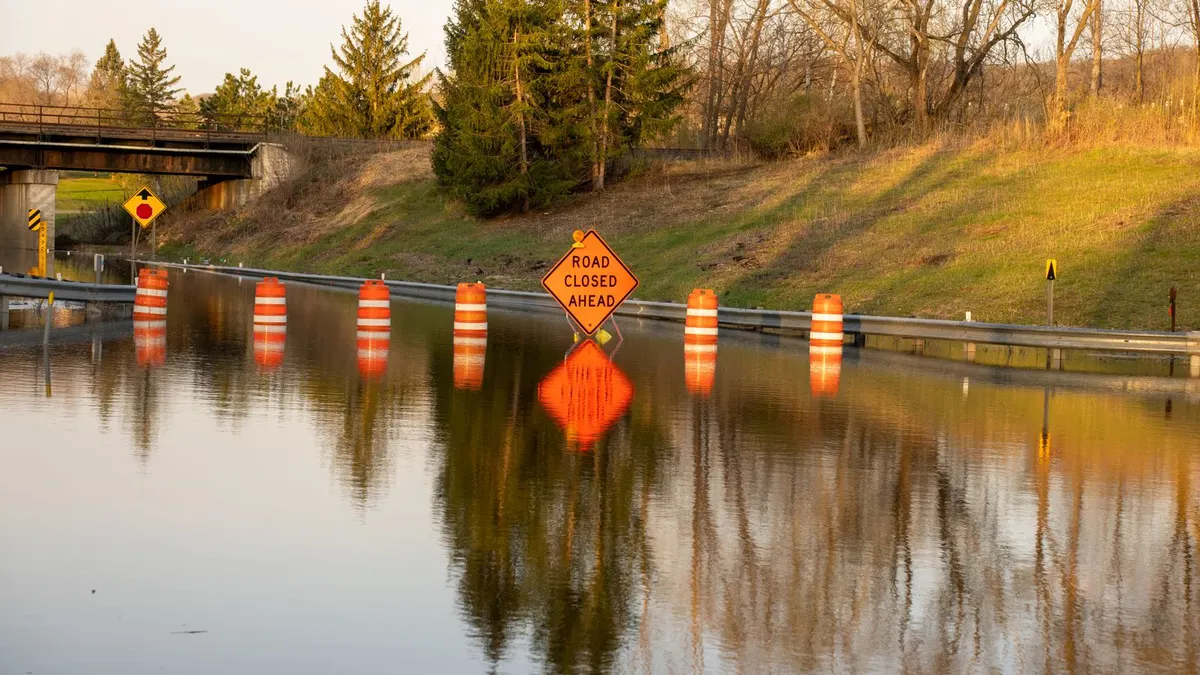
If you want to know which natural disasters in Texas are worth preparing for, start with FEMA's own records. Texas has 392 federal disaster declarations on the books from 1953 through September 2026, second only to California, and once you set aside the wildfire entries (they're counted one blaze at a time) the state's big problem is water. Flooding is the most common major disaster in Texas, by a wide margin and by more than any other state we've pulled. Severe storms, hurricanes and tornadoes follow, in that order. Only three events have ever put all 254 counties under a major disaster at once: Hurricane Rita in 2005, a wildfire threat in January 2006, and the February 2021 freeze.
That record tells you what to build for. Anywhere in Texas, the kit is a week of water and food and a way to keep the lights, the phone and the weather radio running, because the freeze proved the grid can go down everywhere at the same time. Then the regional layer: a flood plan and a get-out-early rule in Houston and the Hill Country, a hurricane kit on the Gulf, a wildfire go bag in the Panhandle and the Cross Timbers, and a weather radio with the tornado alert on anywhere north of I-10 in spring. This page is part of our natural disasters by state series, and the gear basics live in the power outage kit checklist.
A word on how FEMA counts, because it changes the picture. A major disaster declaration is the big one: the governor asks, the President signs, money flows to counties and sometimes to households. An emergency declaration is smaller and faster and often goes out while a storm is still offshore, so one hurricane can appear twice. A fire management declaration repays the state for fighting a single wildfire, one fire per entry, and FEMA only started issuing those in volume in the mid 1990s. That's why the 1990s look like the worst decade in the raw count, and why the table below separates the three.
Texas disasters by type, 1953 to 2026
| Disaster type | Major declarations | Emergency / fire mgmt | When it usually hits | Example |
|---|---|---|---|---|
| Flooding | 44 | June, July and September | Harvey, August 2017, 53 counties | |
| Severe storms (wind, hail, mixed) | 20 | April and May | May 2015, 113 counties | |
| Hurricanes and tropical storms | 17 | 8 emergencies | August and September | Rita, September 2005, 254 counties |
| Tornadoes | 15 | April through June | May 1970 tornadoes, 11 counties | |
| Winter storms, ice and freezes | 5 | January and February | February 2021 freeze, 254 counties | |
| Wildfire | 3 | 265 fire management | March and April, again in September | Bastrop and the 2011 fire season, 122 counties |
In all: 108 major disasters, 19 emergencies and 265 fire management declarations. One declaration can cover one county or all 254, so the county table further down matters as much as this one.
Flooding is the one Texans actually live with
Forty-four major flood disasters since 1953, and the pace has picked up: Texas had major flood declarations in 2024, 2025 and 2026, and three in 2016 alone, and that leaves out Harvey, which FEMA files under hurricanes. The calendar is clear. June is the worst flood month in the record, with July and September close behind, which is the overlap of late spring storms stalling over the Hill Country and tropical moisture coming off the Gulf.
Harris County shows the shape of it. Houston's county has more declarations than any other in Texas, split evenly between floods and hurricanes, and the hurricanes were mostly rain events anyway: Allison in 2001, Harvey in 2017 and Imelda in 2019 were tropical systems on paper, but what they did to Houston was flood it. The May 2024 storms put 83 counties under a major declaration. The July 2025 Hill Country flood that killed people along the Guadalupe River got a 23-county major declaration, and the summer of 2026 brought a flood emergency in July and another major declaration in September.
Floods in Texas come fast, at night, and often in places that don't think of themselves as flood zones, so the useful gear is less about riding it out and more about knowing early and getting out. A NOAA weather radio with the alert tone on is the one thing that wakes you up for a flash flood warning at 3 a.m. when the cell towers are already down. After that: documents in a waterproof pouch, a get home bag in the truck, and the rule that you do not drive through water on a road you cannot see.
Hurricanes: the Gulf coast, August and September
Seventeen major hurricane declarations and eight emergencies, and nearly three quarters of them began in August or September. None has ever begun after September. The National Hurricane Center puts the Atlantic peak at September 10, and the Texas record agrees.
| Storm | Declared | Counties on the major declaration |
|---|---|---|
| Hurricane Rita | September 2005 | All 254 (231 on the emergency; many inland counties were sheltering evacuees) |
| Hurricane Ike | September 2008 | 51 (88 on the emergency) |
| Hurricane Harvey | August 2017 | 53 |
| Hurricane Beryl | July 2024 | 67, with individual assistance |
Hanna in July 2020 and the Laura and Marco scare a month later were emergencies only. Beryl is the one I'd plan around: it is remembered around Houston for the outage, not the wind. Gulf coast Texans need the full seven-day hurricane kit (it was built for the Carolina coast; the Gulf needs the same things). The two items that matter most in a Texas summer outage are a way to run a fan and keep a phone charged, which is where a solar power bank or a small generator earns its space, and enough stored water to get through a boil notice. If you're in an evacuation zone from Brownsville to Port Arthur, the kit has to fit in the vehicle and the vehicle has to be full of gas before the watch becomes a warning.
Tornadoes and spring storms, north of I-10
Thirty-five major declarations for tornadoes and severe storms, and they bunch up hard in April, May and June. Outside that window the counts drop to one or two a month, with a small second peak in late fall. North and Central Texas sit on the southern end of the Plains tornado corridor, and the FEMA record shows it: the May 1999 outbreak, the May 2015 storms that put 113 counties under a declaration, the December 2015 tornadoes around Dallas (declared the following February for 51 counties) and the May 2024 storms all land here.
Tornado prep is cheap and mostly about warning and a place to go. The weather radio again, set to your county. A bike or batting helmet for each person, kept in the safe spot (a real recommendation, not a joke). A lantern and headlamps for after, since storm outages in the DFW and Austin areas tend to run a day or two. Straight-line wind events are in this bucket too, and in Texas they take out plenty of power lines on their own.
Wildfire: the Panhandle, the Cross Timbers and 2011
Texas has 265 fire management declarations, one more than California and far more than anyone else in our series. The fire calendar is the opposite of the flood calendar: March and April account for well over a third of them, when last year's grass is cured and the wind is up, with a smaller second peak in September at the end of the summer burn. The bad years stand out in the file.
| Year | Fire management declarations | What else |
|---|---|---|
| 1996 | 54 | |
| 1998 | 30 | |
| 2006 | 19 | January major declaration for wildfire threat, all 254 counties |
| 2011 | 55 | Bastrop County Complex; two major declarations, 122 counties in July and 65 more in September |
If you live in the Panhandle, the Cross Timbers west of Fort Worth, or the cedar country around Austin and Bastrop, the kit is a go bag that's already packed from February through May, with the documents, the medications, masks for the smoke and a plan for the animals. The bug out bag checklist covers what goes in it.
The freeze that reached every county
Texas has only five major declarations for winter weather in 73 years, and one of them is the biggest event in the state's FEMA file. The February 2021 winter storm drew an emergency declaration for every county on February 14 and a major disaster declaration for every county five days later. Only Rita and the 2006 wildfire threat have matched that reach, and in Rita's case many of the counties were covered for sheltering evacuees, not for damage. No flood has ever come close. The earlier winter entries were regional: an ice storm in January 2001 across 46 counties, and a smaller winter storm in early 2023.
The 2021 storm is why I'd tell every Texan to build for a grid-down week in the cold, even in Houston and San Antonio. The gear: a safe indoor heat source and the carbon monoxide alarm that goes with it, emergency blankets and sleeping bags rated below freezing, the winter car kit because the roads iced for days, and stored water before the pipes go, not after.
Which counties get hit the most
Counting how many separate declarations each county has appeared in since 1953, the upper Gulf coast and the Houston area lead, with the Coastal Bend and the Rio Grande Valley close behind.
| County | Declarations | Mostly |
|---|---|---|
| Harris (Houston) | 40 | Floods and hurricanes, 12 each |
| Montgomery (Conroe, The Woodlands) | 39 | Floods, hurricanes, wildfire |
| Walker (Huntsville) | 38 | Floods, hurricanes, wildfire |
| Liberty | 37 | Floods and hurricanes |
| Travis (Austin) | 35 | Floods, storms, wildfire |
| San Patricio, Nueces (Corpus Christi), Brazoria | 33 each | Hurricanes and coastal storms |
| Tyler, Smith (Tyler), Jasper, Hidalgo (McAllen) | 32 each | Storms, floods, and hurricanes in the Valley |
The Panhandle counties don't show up here because fire management declarations are filed against the fire, not always against a named county. Anyone who watched the Smokehouse Creek fire in 2024 doesn't need a table to know where the wildfire risk sits.
A Texas disaster calendar
- January and February: ice storms and the occasional hard freeze. Low odds, high consequence. Winter kit, stored water, indoor heat you can run safely.
- March and April: wildfire season in the Panhandle and the Cross Timbers, and the start of tornado season. Go bag ready, weather radio on.
- May and June: peak tornado and severe storm months, and the start of flood season as storms stall over the Hill Country. June is the single worst flood month in the record.
- July through September: hurricane season for the Gulf, and the second flood peak in September as tropical rain comes inland. Full hurricane kit, car fueled, water stored.
- October: the quietest month in the file. This is the month to restock.
- November and December: a small second tornado peak in North Texas and the first ice.
Where to start, and what comes next
- The week-without-power base. Water (one gallon per person per day, seven days), shelf-stable food, a weather radio, headlamps, a way to charge phones, cash, documents. The power outage kit checklist is the full list. This covers the freeze, Beryl-style outages and most of what the storm season throws at you.
- The flood layer, if you're anywhere near Houston, the Hill Country or a creek. Weather radio alert on at night, documents waterproofed, a get home bag in each vehicle, and a rule, written down, for when you leave.
- The hurricane layer on the Gulf. Everything above, portable, plus tarps, contractor bags, a chainsaw if you have trees, and a cooling plan for the outage.
- The wildfire layer in the Panhandle and cedar country. A packed go bag by February, N95 masks, and the animal plan.
- Communications. Texas outages are wide, and cell service goes with the power. A pair of GMRS radios keeps a household or a street talking, and a Meshtastic node does the same for text across a neighborhood.
Questions people ask about Texas disasters
What is the most common natural disaster in Texas?
Flooding, by FEMA's count of major disaster declarations: 44 of the 108 major disasters declared in Texas since 1953. If you count fire management declarations, wildfire is the most frequent event, but those are counted per fire and mostly affect rural counties.
Does Texas really have more disasters than any other state?
Almost. California edges Texas in the raw count and in major disasters, and most of California's entries are single-fire management declarations. Every other state we've pulled is well behind both. Among the 22 states in the series so far, Texas leads in flood declarations and tornado declarations, and only Florida, Louisiana and North Carolina have more hurricane declarations.
What was the biggest disaster in Texas history by FEMA's measure?
Three events have earned a major disaster declaration for all 254 counties: Hurricane Rita in 2005 (a large share of those counties were sheltering evacuees rather than taking damage), the January 2006 wildfire threat, and the February 2021 winter storm. Harvey in 2017 covered 53 counties, and by most measures other than county count it was the worse storm.
When is hurricane season in Texas?
The Atlantic season runs June 1 to November 30, but nearly three quarters of the Texas hurricane declarations began in August or September, and none began after September. Build the kit by the Fourth of July.
Which part of Texas is safest from natural disasters?
No part is free of declarations. West Texas and the Trans-Pecos have the fewest, with wildfire and flash flooding the main risks. The upper Gulf coast and the Houston area carry the most declarations of any region in the state, and the Panhandle leads on wildfire.
Does a FEMA declaration mean I can get money?
Not automatically. Most declarations only turn on Public Assistance, which repays counties and cities for debris removal and repairs. Individual Assistance for households is added separately and only for some counties in some events. Check the declaration on FEMA's site for your county, and keep photographs of your property from before the storm either way.
If you only remember three things
Build for a week without power anywhere in Texas, because 2021 showed the whole state can lose it at once. Add a flood plan if you're near Houston or the Hill Country, a hurricane kit on the Gulf, a go bag in fire country, and a weather radio everywhere. The data behind this page is FEMA's public declaration file, pulled October 31, 2026; the counts will move as new declarations are added. See the other states in the natural disasters by state series, or go straight to the storm prep guides.
Sources
- FEMA OpenFEMA, Disaster Declarations Summaries (v2), Texas records pulled October 31, 2026
- FEMA, How a Disaster Gets Declared
- FEMA, Fire Management Assistance Grant Program
- National Hurricane Center, Tropical Cyclone Climatology
- Texas Division of Emergency Management
- Texas A&M Forest Service, Wildfire Danger
Ready to buy?
See current models and availability on Amazon. Your clicks keep these guides free.
Shop Emergency Kits on Amazon →