Natural Disasters in Louisiana: Hurricanes and Floods Tied at 25, and a Decade That Is Already the Worst on Record
The hurricane record everyone knows, the spring flood record nobody talks about, and why 2020 and 2021 put every one of the 64 parishes under a declaration again and again.
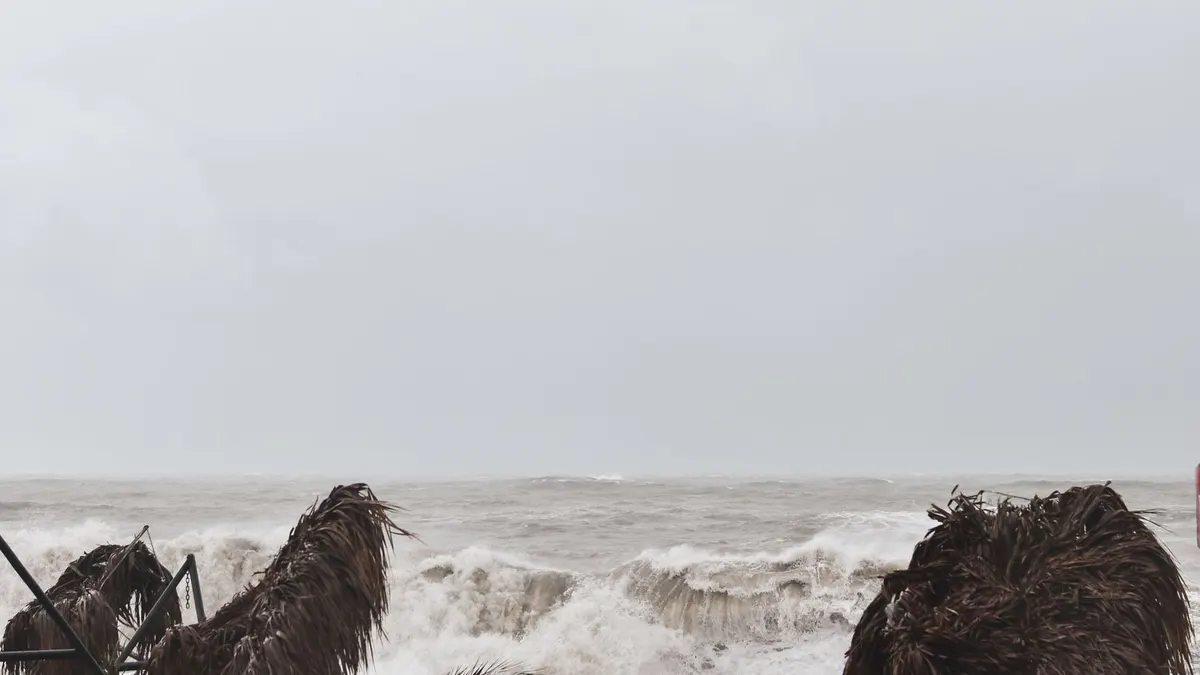
Louisiana's FEMA file has 78 major disaster declarations, and exactly 25 of them are hurricanes and exactly 25 are floods. That tie is the whole story of natural disasters in Louisiana. The hurricanes come off the Gulf in August, September and October. The floods come down the rivers and out of the sky in April and May, when the Mississippi, the Red and the Atchafalaya are high and a stalled front can drop a season's rain in two days. Add the severe storms (a few of which are really ice storms filed under the wrong label) and those three lines cover five of every six major disasters in the state.
The other thing that matters is the pace. Louisiana has 111 declarations in all between May 1953 and June 2026, and this decade already has more of them than the 2000s, a decade that included Katrina and Rita. The 2020 hurricane season alone put every parish in the state under seven separate tropical declarations for six storms, and the February 2021 ice storm did it an eighth time. If you live anywhere in Louisiana, you're building for at least one week-long outage a year, and some years two. This is one of our natural disasters by state pages. The kit it points to is the seven day hurricane kit, which travels fine from Carolina to Cajun country.
A note on the counting. Louisiana is the one state in this series where FEMA counts parishes, 64 of them. A major disaster declaration is the full federal response and the only kind that can pay households directly. An emergency declaration is faster and smaller, and in Louisiana it's nearly always a pre-landfall declaration: Katrina got a statewide emergency two days before its major declaration. A fire management declaration repays the state for one wildfire, and Louisiana has only five of those, four of them in one dry August in 2023, so wildfire barely figures here. The statewide entries that aren't weather (the 1977 drought, the 2003 Columbia shuttle recovery, COVID) are left out of what follows.
Louisiana disasters by type, 1953 to 2026
| Disaster type | Major declarations | When it usually hits | Example from the record |
|---|---|---|---|
| Hurricanes | 25 major, plus 13 emergencies | August, September, October | Hurricane Ida, August 2021, all 64 parishes |
| Flooding | 25 major, plus 4 emergencies | April and May, a second bump in September | March and August 2016 floods, 37 and 26 parishes |
| Severe storms (a few are ice storms) | 15 | Year round | October 2006 storms and flooding, 24 parishes |
| Coastal and tropical storms | 3 major, plus 3 emergencies | June through September | Tropical Storm Cristobal, June 2020, 64 parishes |
| Tornadoes | 4 major, plus 1 emergency | No single season | February 2017 tornadoes, 2 parishes |
| Ice, snow and winter storms | 4 major, plus 3 emergencies | December through February | February 2021 ice storm, all 64 parishes |
| Wildfire | 5 fire management only | August and September in drought years | Tiger Island fire, Beauregard Parish, August 2023 |
FEMA's hurricane line undercounts. Tropical Storm Allison in 1989 is filed as a flood, Allison in 2001 as a coastal storm, Lee in 2011 as a coastal storm, and Cristobal, Barry and Nicholas as coastal storms as well. Count everything with a storm name and the tropical total passes 45.
Hurricanes: nearly all of them in three months
Of the 38 hurricane declarations counting emergencies, all but two began in August, September or October, spread almost evenly across the three. The two outliers were a May 1957 storm and Barry in July 2019. Nothing in the file began in June or November under the hurricane label. The National Hurricane Center's peak date of September 10 sits right in the middle of Louisiana's busiest stretch.
| Storm | Parishes on the major declaration |
|---|---|
| Betsy, September 1965 | 36 |
| Andrew, August 1992 | 35 |
| Lili, October 2002 | 44 |
| Katrina, August 2005 | All 64 |
| Rita, September 2005 | All 64 |
| Gustav, September 2008 | All 64 |
| Isaac, August 2012 | 55 |
| Laura, August 2020 | All 64 |
| Delta, October 2020 | All 64 |
| Ida, August 2021 | All 64 |
| Francine, September 2024 | 22 (statewide emergency first) |
| Tropical Storm Arthur, June 2026 | 9, with household assistance |
Then there is 2020. Between June and October the state got emergency declarations for every parish for Cristobal, for Laura and Marco together, for Sally, for Delta and for Zeta, with major declarations following for Laura, Delta and Zeta. Seven statewide tropical declarations for six storms in five months. Southwest Louisiana took Laura and Delta six weeks apart, which is the scenario the kit has to survive: a second storm before the first one is cleaned up, with the stores still empty and the power still out.
The gear is the standard hurricane kit, and the Louisiana notes are these. The week after a landfall is August or September heat with no power, so a solar power bank for the phones and a fan, or a generator run outside and away from windows, go to the top of the list. Stored water matters more here than almost anywhere, because the state's drinking water systems go down with the power and come back on boil notices; the emergency water storage guide covers containers and how much. And if you're below I-10, the kit has to fit in the vehicle, because contraflow starts early and the roads north fill fast.
Spring floods: the half of the record people forget
Twenty-five major flood declarations, the same as hurricanes, and they live in a different season. Most of Louisiana's flood entries began in April or May, when the rivers are high from upstream snowmelt and the Gulf starts feeding storms. The 1973 flood put 37 parishes under a declaration in April. The May 1989 floods covered 30. The spring of 2011 brought a flood emergency in May and a major declaration in August for the same high water. And 2016 brought two, five months apart: the March floods and the August floods around Baton Rouge and Livingston Parish, both with household assistance approved.
The March 2016 and August 2016 events are the ones to study because neither was a hurricane. Both were slow rain on saturated ground, and both flooded houses that had never flooded and weren't in a mapped flood zone. The flood kit is about warning and leaving: a NOAA weather radio with the alert tone on overnight, documents in a dry bag, the car parked on the high side of the street, and a get home bag in it in case the water comes up between you and the house.
Ice storms reach the Gulf
Louisiana has ten winter weather declarations in the file once the ice storms FEMA filed under severe storms are counted, and they aren't all in the north of the state. The ice storms of February 1994 and December 1998, the January 2000 snowstorm, the December 2000 ice storm, and then the February 2021 winter storm, which put all 64 parishes under an emergency declaration and then a major declaration three weeks later. The January 2026 winter storm drew a statewide emergency and an 18-parish major declaration in February. In a state where houses are built to shed heat, a week of ice means burst pipes, no water pressure and people sitting in cars to stay warm.
The winter layer is small and cheap: emergency blankets and a sleeping bag per person, a heater you can run indoors and a carbon monoxide alarm on the wall beside it, and the habit of filling the tubs when the forecast says ice.
The parishes that get hit the most
I counted how many separate declarations each parish appears in since 1953. The top of the list runs from the Atchafalaya basin down Bayou Lafourche to the coast, then around the river parishes and the north shore.
| Parish | Declarations | What drives it |
|---|---|---|
| St. Martin, Lafourche | 54 each | Hurricanes, Atchafalaya and bayou flooding |
| Terrebonne (Houma) | 53 | Hurricanes and storm surge |
| Livingston | 52 | Hurricanes and the 2016 floods |
| St. Charles | 51 | River parish hurricanes and tropical storms |
| St. Tammany, Jefferson | 50 each | North shore and metro New Orleans hurricanes |
| St. Mary, Rapides, Ascension | 49 each | Coastal storms, central Louisiana floods and fires, river flooding |
| Tangipahoa, St. Bernard | 48 each | Hurricanes and flooding |
Rapides Parish, around Alexandria, is the one inland name near the top, and it's there for floods, ice and the Highway 113 fire of 2023 rather than for surge. Every parish in the state has at least eighteen entries, because that's how many declarations of all kinds covered all 64 parishes (six of them hurricane majors, the rest emergencies, the 2021 ice storm and the non-weather entries).
A Louisiana disaster calendar
- January and February: nearly all ice, snow and winter floods, with 18 declarations beginning in these two months. Blankets, safe heat, water in the tubs.
- March: one declaration in the whole record. The quietest month. Restock.
- April and May: flood season, and most of the flood declarations in the file. Weather radio on at night, documents dry, know the high road.
- June and July: early tropical systems (Allison, Cristobal, Barry, Arthur) and a few floods. Build the hurricane kit now if it isn't built.
- August, September and October: nearly half of everything in the file began in these three months, most of it hurricanes. Fuel, water, cash, documents, a plan for the second storm.
- November and December: late tornadoes and the first ice. The 2020 season's last storm, Zeta, was declared in late October and its major declaration came in January.
Building the kit around the record
- The seven day base, portable. Water, food, a weather radio, headlamps, a lantern, phone power, cash, documents, pet supplies, in totes that go in the truck. The full list is in the power outage kit checklist.
- Water beyond the base. Louisiana outages come with boil notices and sometimes with no pressure at all. Store more than the one gallon a day minimum and own a way to treat more.
- Heat management. Fan, phone, medication cooler. Solar power bank or a generator with a carbon monoxide alarm.
- The flood layer, everywhere. Alert radio overnight in April and May, dry bag, high ground for the car, a rule for when you leave.
- The ice layer. Blankets, sleeping bags, safe heat. Once every few years is enough to own it.
- Communications. After a Category 4 landfall the phones are not a plan. A pair of GMRS radios for the household and a Meshtastic node for the street keep messages moving without a tower.
Questions people ask about Louisiana disasters
What is the most common natural disaster in Louisiana?
Hurricanes and floods are tied at 25 major disaster declarations each. Counting emergency declarations, hurricanes pull ahead, and if every tropical system FEMA filed under "severe storm" or "coastal storm" is added, tropical weather is clearly first.
How many hurricanes have hit Louisiana?
FEMA's file has 38 hurricane declarations for Louisiana since 1953, the second most of any state in this series after Florida. Six of them covered all 64 parishes on the major declaration: Katrina, Rita, Gustav, Laura, Delta and Ida.
What was the worst year for disasters in Louisiana?
By the number of statewide declarations, 2020: Cristobal, Sally, Delta and Zeta each drew a statewide emergency declaration, Laura and Marco shared a fifth, and Laura, Delta and Zeta went on to major declarations. 2005 brought Katrina and Rita, both statewide, four weeks apart.
Does Louisiana flood outside of hurricanes?
Yes, and more often than it floods from hurricanes. Most of the state's flood declarations began in April or May, well before hurricane season. The March 2016 flood and the August 2016 Baton Rouge flood were both rain events with no named storm.
Does Louisiana get ice storms?
Yes. The file has ten winter weather declarations, including the February 2021 storm that covered all 64 parishes and the January 2026 storm that put every parish under an emergency declaration. Ice reaches the coast, not only Shreveport and Monroe.
Which part of Louisiana has the fewest disasters?
The northwest corner has fewer hurricane declarations than the coast, but it carries the ice storms, spring floods and the 2023 fires. Every parish in the state was covered by at least six statewide hurricane declarations and the 2021 ice storm, so nowhere is a place to skip the kit.
One last pass
Two seasons, two kits that are mostly the same kit. Build the seven day base so it can leave the house, keep it stocked from April through October, and add blankets and safe heat for the ice. The storms that cross Louisiana usually started in Texas waters or are headed for Alabama next, and those pages show the same record from the other side. The figures are FEMA's declaration file as of October 31, 2026, Arthur included, and I'll bring them up to date as new ones post. Our storm prep guides cover the gear itself.
Sources
Ready to buy?
See current models and availability on Amazon. Your clicks keep these guides free.
Shop Emergency Kits on Amazon →