Natural Disasters in Michigan: A Short Record With Four Days Worth Remembering
Forty-six federal declarations since 1953 and every one of the 83 counties named in at least one. A blizzard that closed the state, a blackout, two failed dams, and the spring floods that come every few years.
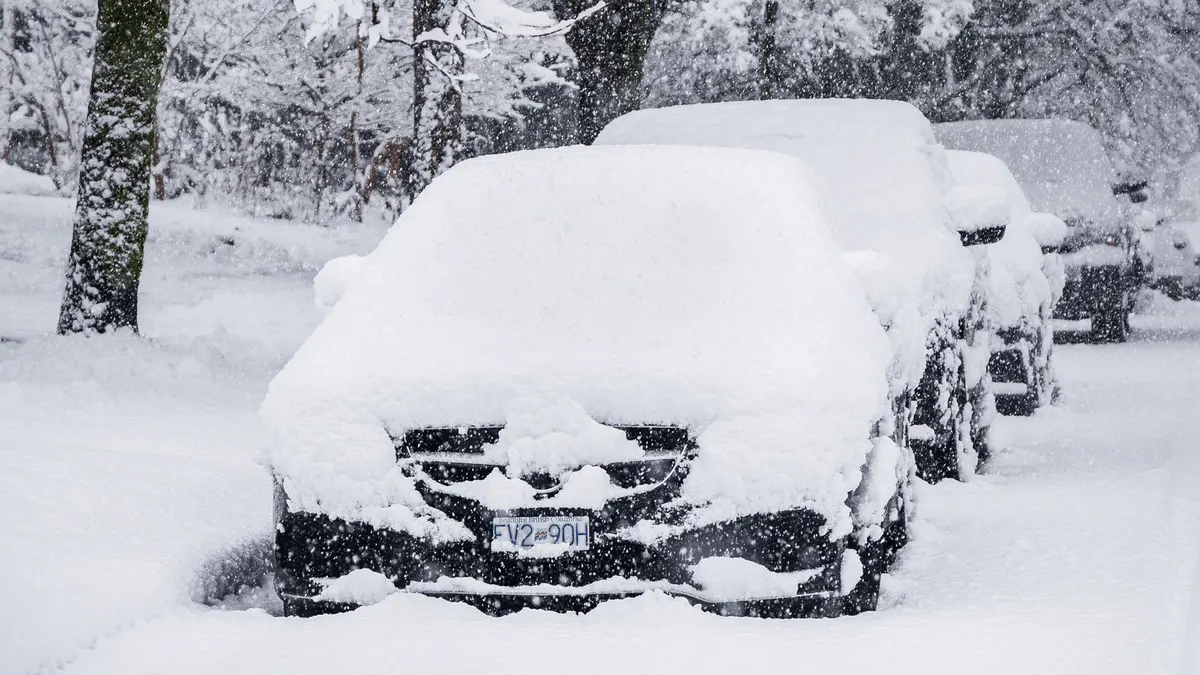
Four days explain most of what the federal record of natural disasters in Michigan has to teach. A January day in 1978, when a blizzard put every county in the state under an emergency declaration at once. An August afternoon in 2003, when the grid went down across the southeast of the state with no storm at all. A May evening in 2020, when two dams on the Tittabawassee gave way above Midland. And a stretch of April in 2026, when storms, tornadoes and flooding began that ended in the widest weather major disaster in the state's file. Everything else in the record is the ordinary rhythm of the place: water in the spring, wind in the summer, snow that closes the roads for a few days every couple of decades. April has more declarations than any other month, and this decade already has more than the whole of the 2010s.
The kit that fits is the week-without-power base, built so it works in a February blizzard and a July thunderstorm outage, plus a spring flood plan for anyone near the Saginaw, the Grand, the Tittabawassee or a Lake Michigan shoreline, and a winter car kit for the whole state, because the three widest weather emergencies Michigan has ever declared were all snow. The other states are in our natural disasters by state index, and the gear basics are in the power outage kit checklist.
What the 46 declarations are
A major disaster declaration (DR) is a presidential declaration that pays counties for repairs and, when Individual Assistance is attached, pays households; Michigan has 35. An emergency declaration (EM) is quicker and narrower, often issued for snow removal or for a problem that isn't a storm at all; Michigan's ten include the 1977 drought, the 2003 blackout and the 2016 Flint water emergency. A fire management declaration (FM) pays the state for fighting one wildfire, and Michigan has exactly one, for a fire in Marquette County in May 1999. That single fire is why the state's total is so low next to the western states, where each fire is its own entry. Two statewide entries in the file aren't Michigan weather, the Katrina evacuation and COVID, and every state has both.
Michigan disasters by type, 1953 to 2026
| Disaster type | Major declarations | When it usually hits | Example from the record |
|---|---|---|---|
| Flooding | 14 | April, then again in September | September 1986 flood, 30 counties |
| Severe storms (wind, hail, mixed) | 10 | May through July | May 2004 storms, 26 counties |
| Tornadoes | 6 | April through June | April 1965 outbreak, 16 counties |
| Snow, ice and freezes | 3 major, plus 4 emergencies | December through April | January 1978 blizzard, 83 areas (emergency) |
| Dam failure | 1 | May 2020 | Midland area dam failures, 5 counties |
| Everything else | 1 | No pattern | 2020 pandemic |
The winter line combines one snowstorm, one deep freeze (January 1994) and the March 2025 ice storm, which was declared that July. The four snow emergencies are 1977, 1978, 1999 and 2001.
Spring floods and the Saginaw Valley
Flooding is Michigan's most common major disaster, and the record is specific about when: April, the snowmelt and spring rain month, with a second bump in September. The county list points at the Saginaw Valley and the west side of the state. Saginaw County tops the state, and Midland, Genesee and Shiawassee are all in the same drainage. On the Lake Michigan side it's Allegan, Ottawa, Ionia and Muskegon, the Grand River and the lakeshore.
| Flood | Counties on the declaration | Household assistance |
|---|---|---|
| April 1973 | 14 | No |
| April 1975 | 17 | No |
| September 1985 | 21 | No |
| September 1986 (the widest flood in the file) | 30 | No |
| April 2013 | 16 | No |
| May 2020 dam failures above Midland (emergency, then major) | 2, then 5 | Yes |
| August 2023 storms (declared February 2024) | 9 | Yes |
| April 2026 storms, tornadoes and flooding (declared June 2026; FEMA filed it as a flood) | 37 areas | Yes |
The one that changed how people in the Saginaw Valley think about rain is the 2020 dam failure on the Tittabawassee system above Midland, which FEMA filed as a dam and levee break rather than a flood: an emergency declaration for two counties within days, then a major disaster for five with household assistance. The August 2014 flood was the opposite kind of event, three counties, household assistance, and over in an afternoon. And the April 2026 storms, which FEMA filed under flooding even though the title lists tornadoes, became the widest weather major disaster in Michigan's file when they were declared that June.
For the kit, river flooding in Michigan gives more warning than a Texas flash flood but it lasts longer and it takes out basements, furnaces and wells. A NOAA weather radio for the warnings, documents and the insurance file in a dry bag, a plan for the sump pump when the power goes (a battery backup or a generator), and stored water for anyone on a well, since a flooded well is a boil notice that lasts weeks.
Summer wind, and the tornado record
Ten major declarations for severe storms and six for tornadoes. The storm declarations cluster in late spring and summer, June most of all, and most of the recent ones (May 2004, June 2017, June 2021) came with Individual Assistance. Michigan's six tornado declarations are old. Two came in June 1953, the April 1965 outbreak covered 16 counties, and the last one was in 1980. Since then tornadoes show up inside the combined storm declarations instead, including the 2004 and 2021 events and the April 2026 storms that FEMA filed as a flood. Macomb, Wayne and Oakland are in the top ten largely on the strength of these summer storm declarations. What these storms do to Michigan is take down trees and lines. The outage is the event.
Snow: the blizzard of 1978 and the week the state closed
Michigan has only one major snowstorm declaration, for a storm and freeze in April 1972. The big snow events show up as emergency declarations, which are faster to issue when the problem is plowing rather than rebuilding, and they're the widest weather entries in the whole file. None of them were lake effect squalls; they were storms that closed roads across whole regions of the state for days and took the power with them.
| Winter event | Declaration | Areas covered |
|---|---|---|
| April 1972 storm and freeze | Major | 9 |
| February 1977 storm | Emergency | 12 |
| January 1978 blizzard | Emergency | 83, every county |
| January 1994 deep freeze | Major | 10 |
| January 1999 storm | Emergency | 31 |
| December 2000 snow (declared January 2001) | Emergency | 39 |
| March 2025 ice storm (declared July 2025) | Major | 14 |
The winter car emergency kit is the one piece of gear every Michigan driver should own, and at home it's a heater rated for indoor use next to a carbon monoxide alarm, emergency blankets, sleeping bags rated below zero, and a way to keep pipes from freezing if the furnace quits. The 2025 ice storm is the recent reminder that ice is worse than snow for the lines.
The entries that are not weather
Michigan's file has a few, and the blackout is the one I'd think about. On August 14, 2003, the power went out across the southeast of the state on a clear day, and FEMA declared a power outage emergency for 14 areas. No storm, no warning, nothing to repair at your own house, and still a reason to have water on the shelf and a way to run the house for a few days. The March 1977 drought emergency and the January 2016 emergency for contaminated water in Flint are the other two, and they make the same argument from a different direction: the tap is the thing you can't assume.
The counties with the longest records
I counted how many separate declarations each county has appeared in since 1953. The Saginaw Valley and the Detroit suburbs lead, with the Grand River and the lakeshore right behind.
| County | Declarations | Mostly |
|---|---|---|
| Saginaw | 18 | River flooding, spring storms |
| Macomb | 18 | Summer storms, flooding |
| Wayne (Detroit) | 17 | Summer storms, flooding |
| Allegan | 17 | Lakeshore and river flooding |
| Ottawa, Ionia | 16 each | Grand River flooding, storms |
| Oakland | 15 | Summer storms, flooding |
| Shiawassee, Osceola, Muskegon, Midland, Genesee | 14 each | Flooding, the 2020 dam failures (Midland), storms |
The Upper Peninsula is nearly absent from the top of the list. Its counties appear in the statewide snow emergencies and the 1999 Marquette fire, and little else.
A Michigan disaster calendar
- January: the 1978 blizzard, the 1994 freeze, the 1999 snow emergency. Winter car kit, heat plan, pipe plan.
- February and March: the 1977 storm, the 1977 drought, the 1976 and 2025 ice events.
- April: the worst month in the file, with 10 declarations: floods, tornadoes, the 1972 snow and freeze. Weather radio on, basement and sump plan ready.
- May and June: storm season, the 2020 dam failures, most of the recent household-assistance events.
- July and August: summer storms, late flooding, the 2003 blackout.
- September: a second flood peak, with four September floods between 1975 and 1986.
- October and November: none. Not one declaration in the whole record began in either month. Restock.
- December: the 1972 flood and the 2000 snow.
A Michigan kit in four steps
- The week-without-power base. Water at a gallon per person per day for seven days, no-cook food, a weather radio, headlamps, phone power, cash, copies of documents. The power outage kit checklist is the full list, and it covers the blackout, the summer storms and the first days of any blizzard. For the summer storms add a lantern, a solar power bank for phones, a cooler plan for the freezer, and a chainsaw if you have oaks over the driveway.
- The winter layer, statewide. The winter car kit in every vehicle from November to April, indoor heat with a carbon monoxide alarm, below-zero sleeping bags, and a plan for the pipes.
- The flood layer in the Saginaw Valley, the Grand River basin and the lakeshore. Sump pump backup, dry bag for documents, stored water if you're on a well, and a get home bag in the vehicle for the spring.
- Communications. The 2003 blackout is the argument: the phones worked until the batteries died and the cell sites went with them. A pair of GMRS radios for the household and a Meshtastic node for the block are the cheap answer.
Questions people ask about Michigan disasters
What is the most common natural disaster in Michigan?
Flooding, with 14 of the 35 major disaster declarations since 1953, followed by severe storms and tornadoes. If you count emergency declarations, snow includes the three widest weather emergencies in the file.
Is Michigan the safest state from natural disasters?
By the federal count, it's the quietest of the states I've pulled so far: the fewest declarations of any kind, and among the fewest major disasters. But every county in the state has been named in at least one, and the 2020s are on pace to be Michigan's busiest decade since the 1970s.
What was the biggest disaster in Michigan history by FEMA's count?
By areas covered, the January 1978 blizzard, an emergency declaration for all 83 counties. The widest major disaster for weather is the June 2026 declaration for storms, tornadoes and flooding, with Individual Assistance. The September 1986 flood was the widest before that.
Does Michigan get tornadoes?
Yes, but FEMA hasn't filed a Michigan declaration under the tornado heading since 1980. Tornadoes now show up inside combined storm declarations, like May 2004, June 2021 and the 2024 and 2026 events. April, May and June are the months.
What happened with the dams in 2020?
In May 2020, dam failures on the Tittabawassee system above Midland drew an emergency declaration and then a major disaster declaration for five counties, with Individual Assistance for households. It's the only dam failure declaration in Michigan's file.
What does a declaration actually pay for?
Households get paid only when Individual Assistance is attached to your county. In Michigan's file it has happened seven times, all since 2004, most recently for the 2024 and 2026 storms. Most older declarations only repaid counties and towns. Look up your county on FEMA's declaration page, and keep a set of dated photos of the house and the basement from a dry month.
What this means on the shelf
Michigan's record is small but it isn't empty, and it's getting busier. Build the week-without-power kit, keep the winter kit in the car, and if you live in the Saginaw Valley or along the Grand, take April seriously. The counts here are FEMA's declaration file through June 2026; when a new Michigan declaration posts, the page gets corrected. The records next door in Ohio and Minnesota are heavier, and the gear is in the storm prep guides.
Sources
Ready to buy?
See current models and availability on Amazon. Your clicks keep these guides free.
Shop Emergency Kits on Amazon →