Bug Out Bag Checklist: A 72-Hour List With Target Weights
Every category from water to hygiene, with a weight budget, why each item is there, and what changes in the Southeast.
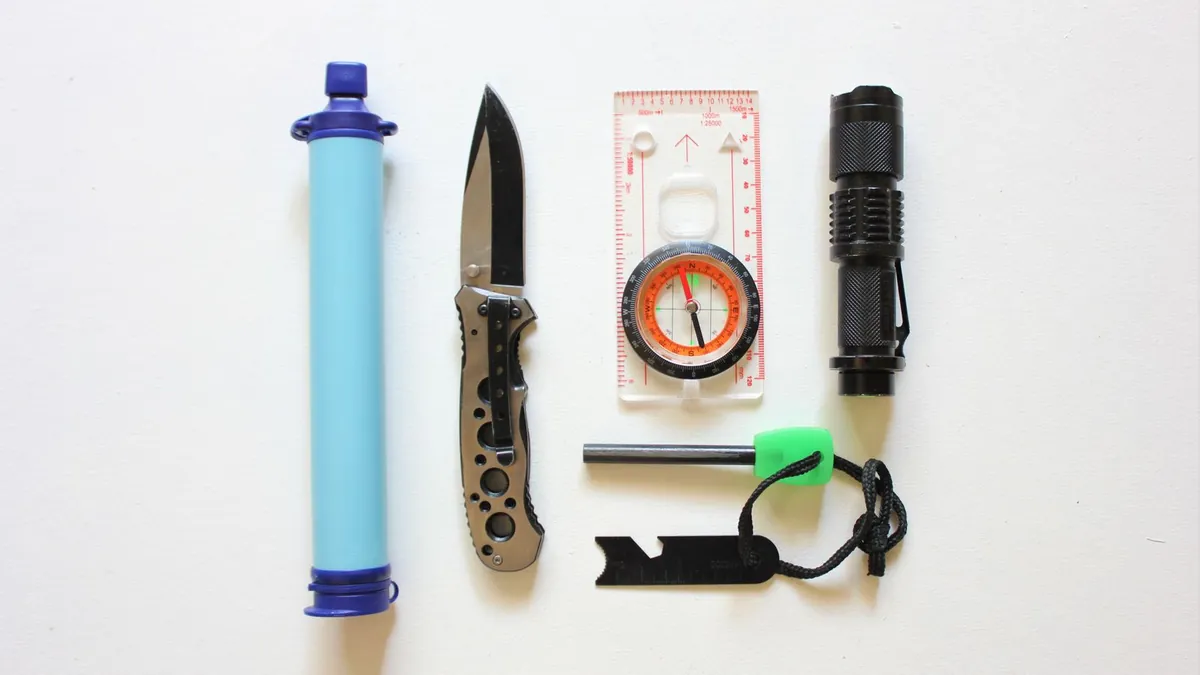
A 72 hour bug out bag for one adult should come in between 18 and 25 pounds including a liter of water, and everything on the list below fits in a 30 to 40 liter pack. In North Carolina the bag mostly rides in a car to a shelter or a relative's house, with walking as the backup plan, not the plan. The list follows the categories on the official ready.gov kit page, with target weights per category, the reason each item is there, and the things people from somewhere colder tend to get wrong about the Southeast.
If you have not picked the pack yet, start with the bug out bag guide. If you want a smaller version that lives in your car or at your desk, that is a get home bag. Everything here belongs to the go bags and kits category. For a tougher, MOLLE-style pack, see our tactical backpack guide.
Weight budget for the whole bag
Ready.gov's basic kit assumes you are sheltering at home with a gallon of water per person per day. A bag you carry cannot do that: three gallons of water weighs 25 pounds by itself. The fix is one liter carried plus a filter, which is where almost every ounce of savings in this list comes from. Our guide to storing water long term covers the home side, and for no-cook food see the best MREs.
| Category | Target weight | Notes |
|---|---|---|
| Pack, empty | 3 to 4 lb | A framed hiking pack with a hipbelt |
| Water and filter | 2.5 to 3 lb | 1 liter carried, filter, a collapsible pouch |
| Food | 3 to 4 lb | No cooking required |
| Shelter and sleep | 1.5 to 2.5 lb | Bivvy, tarp, cord |
| Fire | under 0.5 lb | Two ways to light it, tinder |
| Light | under 0.5 lb | Headlamp plus spares |
| Comms and power | 1 to 1.5 lb | Radio, power bank, cables |
| First aid | 1 lb | Small kit plus your medications |
| Documents and cash | under 0.5 lb | Copies in a zip bag |
| Clothing | 2.5 to 3.5 lb | One change, rain shell, socks |
| Tools | 1 lb | Knife, multitool, tape, cord |
| Hygiene | under 1 lb | Travel sizes only |
| Total | 18 to 25 lb | Weigh it on a bathroom scale |
Water: one liter carried, the rest filtered
- Hard sided 1 liter bottle. Wide mouth so you can fill it from a creek, a bathtub or a hotel ice machine, and so the filter threads onto it.
- Squeeze style hollow fiber filter. Sawyer lists bacteria, protozoa and microplastics, which is what you are worried about from NC surface water. It makes no claim about chemicals or viruses.
- Collapsible pouch or soft bottle, 1 to 2 liters. Weighs very little and lets you carry dirty water back to camp to filter.
- Purification tablets, a small strip. Backup if the filter freezes (a frozen filter is ruined) or cracks.
- Electrolyte packets, 4 to 6. August in the Piedmont will take more out of you than plain water puts back.
Sawyer Squeeze

Water
Sawyer Squeeze Water Filtration System (SP129)
- 0.1 micron absolute hollow fiber
- Fits 28 mm bottle threads
- Two collapsible pouches and hydration pack adapters included
The filter that replaces gallons of carried water for anyone drawing from creeks, ponds or a bathtub.
Check price on AmazonSold by Amazon.com
The Squeeze is the standard filter for this job: a 0.1 micron absolute hollow fiber membrane that Sawyer says removes 99.99999 percent of bacteria and 99.9999 percent of protozoa, threads onto 28 mm bottles, and comes with two collapsible pouches, a cleaning plunger and hydration pack adapters. Sawyer says there is no warranty for a frozen filter, so keep it from freezing.
Nalgene 32 oz Wide Mouth
Water
Nalgene 32 oz Wide Mouth Bottle
- 32 oz
- 6.25 oz empty
- Tritan Renew, made in USA
- 63 mm cap, 3.5 in diameter
A hard bottle you can fill from a stream, measure with, and drop without worry.
Check price on AmazonSold by Amazon.com
Nalgene lists it at 32 ounces of capacity and 6.25 ounces empty, made in the USA from Tritan Renew, with a 63 mm cap and a 3.5 inch diameter, and says it fits most filtration devices. Pick a bright color so you can find it in the dark.
Food: three days without a stove
- 2,000 to 2,500 calories per day in food that needs no cooking: tortillas, peanut butter, jerky, nuts, dried fruit, hard cheese, bars.
- A spoon and a small knife.
- Optional: a canister stove and a cup if coffee is how you stay sane. It adds about a pound and a half.
- Rotate every six months. Set a phone reminder for the start and end of hurricane season.
Shelter and sleep: a bivvy before a sleeping bag
- Emergency bivvy. A sealed, heat reflective sack weighs less than a quarter pound and keeps rain and wind off you. It beats a mylar blanket because you cannot roll out of it. See our emergency blanket guide for the reusable options.
- Tarp, 8 by 10 feet, and 50 feet of cord. Shade in summer, rain cover any season.
- Insect head net and repellent.
- Skip the sleeping bag unless it is winter or you are packing for a child. A bivvy plus your clothing layers gets a healthy adult through a Carolina night in three seasons.
SOL Emergency Bivvy with Rescue Whistle
Shelter
SOL Emergency Bivvy with Rescue Whistle
- 3.8 oz
- 84 x 36 in
- Reflects 90% of body heat per SOL
- Sealed seams, whistle and tinder cord
The lightest shelter that keeps rain and wind off a sleeping adult, and it survives more than one night.
Check price on AmazonSold by Pattern. (third party seller)
SOL lists the Emergency Bivvy at 3.8 ounces and 84 by 36 inches, reflecting 90 percent of body heat, with sealed seams against wind and rain, a tinder cord drawstring and a whistle built in. SOL describes it as waterproof, windproof, quiet and tear resistant, and says it packs to about the size of a soda can. Sold on Amazon by Pattern, a third party seller.
Fire: two ways to light it, plus tinder
- Two disposable lighters in separate pockets.
- Stormproof matches in a waterproof case. They work when the lighter is wet or cold.
- Ferro rod if you know how to use one; sparks work wet and never run out. Our fire starter guide covers the choice.
- Tinder: cotton balls with petroleum jelly in a pill bottle, or commercial tinder tabs. Wet Carolina hardwood will not light from a spark alone.
UCO Titan Stormproof Match Kit
Fire
UCO Titan Stormproof Match Kit
- 12 matches, 3 replaceable strikers
- Burns up to 25 seconds each
- 4.125 in long
- Relights after submersion per UCO
- Floating waterproof case
The backup to your lighter that still works wet, cold and with gloves on.
Check price on AmazonSold by UCO
UCO's Titan matches are the big ones: 4.125 inches long, burning up to 25 seconds each per UCO, and UCO says they relight after being submerged in water. UCO's page lists 12 matches and 3 replaceable strikers in a floating waterproof case that holds up to 15 matches.
Light: a headlamp, not a flashlight
- Headlamp with a red mode. A headlamp lights where you look; for lighting a room or a tent, a lantern does the job better, and our power outage lantern guide covers the ones that run for days. Hands free for pitching a tarp or changing a tire. Red keeps your night vision and does not wake everyone in the shelter.
- Spare batteries, lithium AAA if the headlamp takes them. Lithium cells keep for years and work cold.
- A small backup light, even a keychain LED.
Black Diamond Spot 400
Light
Black Diamond Spot 400 Headlamp
- 400 lumens high, 6 lumens low
- IPX8 waterproof
- 86 g with 3 AAA
- 200 hr on low with AAA per Black Diamond
- Red night vision mode
A waterproof AAA headlamp with a red mode, for the bag that sits a year and then has to work.
Check price on AmazonSold by Black Diamond Equipment
Black Diamond lists the Spot 400 at 400 lumens on high, 200 on medium and 6 on low, with an IPX8 waterproof rating, 86 grams with the three AAA batteries it ships with, and a red night vision mode that turns on without cycling through white. Burn time with AAA cells is 2.5 hours on high and 200 hours on low, and the same headlamp takes Black Diamond's BD 1500 rechargeable battery (sold separately).
Comms: a radio that works when the towers do not
- GMRS handheld. Talks to the other radios in your family group across a neighborhood or a shelter parking lot, and to repeaters if there is one up. GMRS needs an FCC license (no test, it covers your family) under 47 CFR Part 95 Subpart E. Our GMRS radio guide explains it.
- NOAA weather receiver. Many GMRS handhelds include it.
- Power bank, 10,000 mAh, with the cable for your phone and the radio.
- Optional: a Meshtastic node for text and location between family members with no cell service. Our Meshtastic device guide covers the hardware.
- A written card of phone numbers. Your phone will die or get lost.
Midland GXT67 Pro
Comms
Midland GXT67 Pro GMRS Handheld
- 5 W GMRS
- IP67 waterproof and dustproof
- Repeater capable, 8 repeater channels
- Up to 4 day battery, 4 hr rapid charge
- AC and vehicle chargers included
Family to family voice across a neighborhood or a shelter lot when the cell towers are down. GMRS license required.
Check price on AmazonSold by Midland Radio
Midland lists the GXT67 Pro at 5 watts, IP67 waterproof and dustproof, repeater capable with 8 repeater channels, up to 99 channels including the 22 standard GMRS/FRS channels, and up to 4 days of battery life with a 4 hour rapid charge. It ships with a desktop charger, an AC adapter, a USB-C cable and a snap-on vehicle charger, so it charges in the car. The battery is sealed and not user replaceable. Get the GMRS license before you transmit, and buy two if two people will carry one.
First aid: a small kit and your own medications
- A compact first aid kit with bandages, gauze, tape, blister care, tweezers and gloves.
- Seven days of prescription medication and a copy of the prescription, per ready.gov.
- Over the counter basics: pain reliever, antihistamine, anti diarrheal.
- Take a class. A Stop the Bleed or Red Cross course teaches more than any kit contains, and we are not going to give medical advice here.
Documents and cash
- Copies of ID, insurance cards, deed or lease, bank account info, in a zip bag, plus the same files on an encrypted USB drive or in cloud storage.
- Cash in small bills, enough for two tanks of gas and two nights in a motel.
- A paper road map of NC and the surrounding states. Evacuation routes change and your phone may have no data.
Clothing: one change, sized for heat and rain
- Rain shell. Not a poncho. You will wear it for hours in a tropical storm band.
- Two pairs of wool socks. Wet feet end walks.
- One full change in quick dry synthetics or wool, not cotton.
- Brimmed hat and a bandana for sun.
- A light insulating layer even in summer; shelters run cold and January ice storms are the other half of the year.
Tools and repair
- Fixed blade or sturdy folding knife and a multitool with pliers.
- Duct tape, a few feet wrapped on a card, and zip ties.
- Whistle if your bivvy does not have one; it carries farther than your voice.
- N95 masks, two. Mold after a flood and smoke after a fire are both real here.
- Trash compactor bags, two. Pack liner, rain cover, ground sheet, water hauler.
Hygiene
- Toothbrush and travel paste, soap sheets or a travel bar, hand sanitizer, a pack of wet wipes, toilet paper in a zip bag, feminine products, a small quick dry towel, sunscreen, lip balm.
- Keep every container travel sized. This category gets heavy fast.
The NC and Southeast adjustments
Most bug out bag lists are written for cold, dry places. Three changes for here:
- Heat first. Skip the heavy sleeping bag, add electrolytes, a brimmed hat, a tarp for shade, and bug protection. Heat exhaustion is the realistic threat from June to September.
- Rain always. A real rain shell, a pack liner, and dry socks. Everything that cannot get wet goes in a zip bag.
- You will probably drive. Hurricane evacuation from the coast and getting out of a town without power both happen in a car. Keep the bag by the door, keep the car above half a tank from June on, and keep a second set of heavy items (water case, blankets, a jump pack) in the car so the bag stays light. The bag is for leaving; for staying through a week without power, our sister site covers battery backup versus a gas generator.
Questions people ask about packing a bug out bag
How much water should be in a bug out bag?
Carry one liter and a filter, and keep a case of bottled water in the car. Ready.gov's gallon per person per day is for a home kit, not a bag on your back.
How heavy should a bug out bag be?
18 to 25 pounds for an adult following this list. If it is over 30, pull the sleeping bag, the extra water and the duplicates.
How often should I check the bag?
Twice a year. Swap the food, test the headlamp and radio, charge the power bank, and update the documents and cash. Tie it to the start and end of hurricane season.
The short version
Water filter and one bottle, three days of no cook food, a bivvy and a tarp, two fire sources, a headlamp, a GMRS radio and a power bank, a small first aid kit with your meds, documents and cash, one change of clothes with wool socks and a rain shell, a knife and tape, and travel sized hygiene, all in a framed pack under 25 pounds.
Sources
- Ready.gov: Build A Kit
- Sawyer Squeeze Water Filtration System product page
- Nalgene 32 oz Wide Mouth Bottle product page
- SOL Emergency Bivvy with Rescue Whistle product page
- UCO Titan Stormproof Match Kit product page
- Black Diamond Spot 400 Headlamp product page
- Midland GXT67 Pro product page
- 47 CFR Part 95 Subpart E, General Mobile Radio Service
Ready to buy?
See current models and availability on Amazon. Your clicks keep these guides free.
Shop Bug Out Bag Supplies on Amazon →